Table of Contents
- Delaware Home Selling
- Which Areas in Delaware Offer the Best Return on Investment and Are Easiest for Residential Property Development?
- What Home Styles, Sizes, and Features Tend to Sell Fastest in the Delaware Market?
- What Should Home Sellers Know About Zoning Laws, Permits, and Regulatory Requirements in Delaware?
- Which Towns or Cities in Delaware Are Easiest, and Hardest, When It Comes to Navigating Real Estate Regulations?
- What Are the Most Effective Flipping and Resale Strategies for Maximizing Profit in Delaware's Housing Market?
- How Should Sellers Price Their Homes to Attract Buyers While Maximizing Value in Delaware?
- Which Key Economic, Social, and Regulatory Factors Are Driving Current Trends in Delaware's Local Property Markets?
Delaware Home Selling
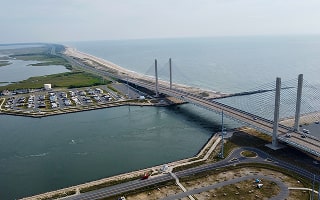
Home sales in Delaware remain active, with tight inventory and quick sales sustaining the state's seller's market. According to Redfin, the median sale price for a property in Delaware is $371,100 (as of October 2025), less than the national median of about $440,000. This also puts Delaware's median home price well below neighboring New Jersey's ($564,000) and Maryland's ($446,800), but above Pennsylvania's ($307,200).
In Delaware, homes typically sell in roughly 30-40 days, faster than the national median of around 50. Delaware's speed in selling homes reflects strong demand, limited supply, and a market that continues to favor sellers.
Despite a 10.7% year-over-year increase in the number of homes listed for sale, Delaware's supply stands at just 2 months, firm seller's market territory. This limited supply means fewer choices for buyers and more competition for available homes in Delaware.
In addition to relatively affordable home prices, Delaware has one of the lowest property taxes in the nation, with an average effective rate of just 0.53%. This figure stands in stark contrast with neighboring New Jersey, where the average property tax rate is 2.23%, the highest in the nation, and more than four times as high as in Delaware. The First State's low property tax burden is a key advantage to homebuyers and investors, especially those seeking long-term affordability.
While Delaware's housing market is still hot, the state's foreclosure rate of 1 in every 2,710 housing units indicates potential volatility. This rate is one of the worst in the country, with foreclosures occurring more frequently in Delaware than in New Jersey, Pennsylvania, and Maryland.
Overall, Delaware offers a relatively affordable housing market with fast sales and low property taxes, making it attractive to buyers. However, tight inventory and high foreclosure rates indicate potential challenges.
Which Areas in Delaware Offer the Best Return on Investment and Are Easiest for Residential Property Development?
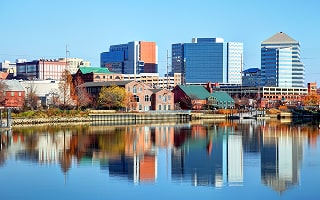
Delaware offers several attractive areas for residential property investment, each with unique advantages, market trends, local economies, and home features. Below are ten areas across the state that offer good return on investment (ROI) potential, based on factors like high demand, strong economic growth, and favorable regulatory environments:
-
Rehoboth Beach: Rehoboth Beach, a popular tourist destination, offers good ROI prospects for residential properties due to high demand for second homes and short-term rentals. The booming tourism sector, combined with limited housing supply, creates a profitable market for vacation rentals. With a median sale price of about $782,495, the area attracts buyers looking for valuable real estate opportunities.
-
Wilmington: Wilmington is Delaware's largest job center, with strong finance and tech anchors. With average home values of around $322,000, Wilmington offers one of the most affordable entry prices in the state, as well as continued appreciation potential. In addition, its proximity to Philadelphia and Washington D.C. via rail strengthens rental and resale demand.
-
Dover: As Delaware's state capital, Dover offers opportunities for both high-density development and investment in historic properties. Supported by government employment and a growing suburban market, the city offers diverse real estate potential. The median home sales price in Dover was $332,000 (as of September 2025), with properties typically selling after 55 days on the market.
-
Newark: University-driven demand keeps 3- and 4-bed single-family homes and well-located condos moving quickly in Newark. The median sale price in Newark stood at $407,500 in October 2025, a 10% year-over-year increase. Homes in Newark also tend to sell quickly, usually in around 30 days, offering strong investment potential and faster turnover.
-
Middletown: Middletown, a rapidly growing suburb, offers excellent investment potential due to high residential demand, expanding commercial infrastructure, and proximity to Wilmington and Dover. With a median home sales price of $521,544 and average rents of around $2,850 per month, the area has shown steady growth, with home values climbing roughly 3% year over year.
-
Lewes: Homes in this popular beach town have a median sale price of around $680,000, with properties spending 61 days on the market as of September 2025. Known for its scenic coastal views and proximity to Rehoboth Beach, Lewes is an ideal location for vacation rental investments.
-
Lincoln: With a median sale price of around $329,000, Lincoln's housing market offers strong potential for growth. Over the past five years, property values have increased significantly, posting one of the highest appreciation rates in the state. The surge in property values reflects increasing demand, making it an attractive option for investors seeking high returns.
-
Felton: Felton has a median sale price of about $360,000, offering relative affordability and strong upside potential. Its five-year appreciation rate also ranks among the top 10 in the state. Felton's small-town charm, growing residential community, and easy access to larger cities like Dover make it attractive for both investors, owner-occupants, and renters.
-
Camden: With average home values sitting just under $399,000, Camden has experienced a notable property value increase over the past five years, making it one of the top markets in the state for appreciation-focused investments. As one of the fastest-growing towns in Delaware, Camden is an attractive option for buyers and investors looking for a good return on investment.
-
Frankford: The town offers a mix of rural charm and proximity to coastal areas, making it attractive for renters seeking peaceful living with easy access to beaches and amenities. Frankford has seen property value rise significantly over the past five years, with average home values of about $470,000 reflecting growing demand.
What Home Styles, Sizes, and Features Tend to Sell Fastest in the Delaware Market?
Delaware homes typically sell at a faster pace than the national median of around 50 days. Nevertheless, certain home features tend to help a property sell even faster. In Delaware, they include:
-
![]() Bedrooms: The most popular homes in Delaware have 3-4 bedrooms and 2 bathrooms. These homes appeal to first-time buyers, growing families, and those looking for a comfortable balance between space and affordability. In suburban areas like Middletown, Smyrna, and Hockessin, family-sized homes sell quickly, offering an ideal balance of space with proximity to good schools.
Bedrooms: The most popular homes in Delaware have 3-4 bedrooms and 2 bathrooms. These homes appeal to first-time buyers, growing families, and those looking for a comfortable balance between space and affordability. In suburban areas like Middletown, Smyrna, and Hockessin, family-sized homes sell quickly, offering an ideal balance of space with proximity to good schools.
-
![]() Size and Lot: Homes in the 1,600-2,400 square-foot range on 0.25- to 0.5-acre lots are most desirable in Delaware's suburban and urban areas, typically selling quickly. These sizes provide enough living space without excessive maintenance requirements. They also offer enough room for outdoor activities, garden spaces, or accessory dwelling units (ADUs). Homes in these size ranges tend to sell quickly in areas such as Bear, Dover, and Lewes.
Size and Lot: Homes in the 1,600-2,400 square-foot range on 0.25- to 0.5-acre lots are most desirable in Delaware's suburban and urban areas, typically selling quickly. These sizes provide enough living space without excessive maintenance requirements. They also offer enough room for outdoor activities, garden spaces, or accessory dwelling units (ADUs). Homes in these size ranges tend to sell quickly in areas such as Bear, Dover, and Lewes.
-
![]()
Style: Several home styles dominate the Delaware market, attracting buyers and quick offers. These homes typically blend modern upgrades and traditional charm.
-
Colonial and Cape Cod: Classic New England Colonial and Cape Cod homes are popular and sell fast in areas with older housing stock, such as Wilmington and Newark. These homes provide a traditional, timeless look, with enough space for families.
-
Craftsman and Ranch-Style: In newer suburban developments, Craftsman and ranch-style homes sell quickly, especially in places like Middletown or Hockessin, where buyers prefer simple, functional designs.
-
Updated Victorian Cottage: In Rehoboth Beach and Lewes, charming Victorian cottages are in high demand due to their historical appeal and proximity to the beach.
-
Urban Condos and Townhouses: In more urban centers like Wilmington, modern condos and townhouses are selling fast due to their proximity to large employers, restaurants, and entertainment opportunities. Condos and townhouses are popular among young professionals and those seeking low-maintenance living.
-
-
![]() Modern Upgrades: Homes with modern upgrades sell quickly across Delaware, especially in cities like Wilmington, Dover, and Rehoboth Beach, where demand for updated properties is high. Open-concept kitchens with updated appliances and energy-efficient features, such as solar panels, attract eco-conscious buyers in areas like Middletown and Lewes. Updated bathrooms with modern fixtures and neutral tones also appeal to a wide range of buyers in markets like Newark and Camden. Additionally, good curb appeal, with well-maintained landscaping and fresh exterior paint, is crucial to attracting interest in both suburban and coastal areas, usually helping homes sell faster.
Modern Upgrades: Homes with modern upgrades sell quickly across Delaware, especially in cities like Wilmington, Dover, and Rehoboth Beach, where demand for updated properties is high. Open-concept kitchens with updated appliances and energy-efficient features, such as solar panels, attract eco-conscious buyers in areas like Middletown and Lewes. Updated bathrooms with modern fixtures and neutral tones also appeal to a wide range of buyers in markets like Newark and Camden. Additionally, good curb appeal, with well-maintained landscaping and fresh exterior paint, is crucial to attracting interest in both suburban and coastal areas, usually helping homes sell faster.


What Should Home Sellers Know About Zoning Laws, Permits, and Regulatory Requirements in Delaware?

To maximize ROI in Delaware, sellers and developers must carefully review and verify local zoning laws and permits, since these rules directly affect a property's value and future use. Buyers often request a zoning verification letter to confirm there are no violations or legal issues. Being proactive with zoning and permitting can help prevent delays, build buyer confidence, and ensure smoother transactions. The information below focuses on different real estate markets across Delaware, organized by those that have strict zoning laws, more zoning flexibility, and special permitting or historic district requirements.
Strict Zoning Laws
Strict zoning laws in Delaware tightly control how land may be used, what types of buildings are allowed, and whether additions and conversions are possible. While they protect community character and guide growth, they generally slow projects and limit flexibility. Strict zoning laws can make it harder for sellers and developers to build, renovate, or change a property's use, potentially delaying project timelines and adding costs. The following cities in Delaware tend to have strict zoning laws:
- Wilmington: The city's zoning law is strict, governing everything from land use and building types to alterations such as additions and conversions.
- Rehoboth Beach: The city has tight residential rental and lodging rules, licensing for short-term rentals, and city planning controls for coastal areas.
- Lewes: The city has an active Historic Preservation Architectural Review Commission (HPARC). Any exterior changes visible from the public right of way typically require HPARC approval.
Less Bureaucratic Zoning Laws
Cities with fewer bureaucratic zoning laws create smoother paths for development and sales. They typically have fewer layers of approvals and faster permitting, allowing builders and sellers to move forward more efficiently. These streamlined rules allow for quicker renovations, housing completions, or property conversions, saving time and costs. In Delaware, the following areas have less bureaucratic zoning laws:
- Town of Middletown: Middletown has an active permitting office for building permits. Its zoning rules for new housing support mixed-use projects.
- City of Milford: Milford's Downtown Development District offers incentives like fee waivers and rebates.
- Sussex County: The county's Building Permits and Licenses office makes it easier for single-family projects with clear walk-in permit services and active plan reviews.
Special Permit Required Via a Public Hearing
In Delaware, some property changes or new developments require a special permit that goes beyond standard approvals. This process often involves a public hearing where community members may share feedback, followed by a decision from the local zoning board. It typically adds time and costs for builders but ensures the project aligns with the community goals and land-use rules. In Delaware, these jurisdictions include:
- City of Wilmington: In Wilmington, the Zoning Board of Adjustment handles requests for variances and special exemptions, which are typically decided during public hearings.
- City of Dover: The city's Planning Commission requires public meetings and hearings for conditional uses and proposed uses that don't follow standard rules.
- Sussex County: In Sussex County, the Planning & Zoning Commission holds public hearings for subdivisions, conditional uses, and rezonings.
Certificate of Occupancy Required
In Delaware, most counties and cities, including Wilmington, Sussex, Newark, Dover, Middletown, and Milford, require a Certificate of Occupancy (CO) or similar approval before a property may be legally occupied following certain types of work. The CO confirms that the construction or renovations comply with building codes, zoning regulations, and safety standards. Sellers should ensure all completed work has passed inspections and that the CO is officially issued. Having a CO in place protects buyers, avoids legal or safety issues, and ensures a smooth closing process.
Requiring a Historic Commission Approval for Certain Renovations
Some areas in Delaware have local historic commissions that must approve renovations, material choices, and exterior changes. These rules ensure updates remain consistent with traditional appearances, maintaining the area's heritage and unique characteristics. It applies to the following jurisdictions in Delaware:
- City of Lewes: In Lewes, the Historic Preservation Architectural Review Commission must approve any exterior work within its historic district that is visible from public streets or sidewalks.
- City of New Castle: In New Castle, any work in a historic district requires approval from the Historic Area Commission. Applicants must obtain a Historic Review Certificate before getting a building permit.
- Kent County: The Kent County Historic Preservation Commission reviews all plans affecting the exterior of landmarks or structures within historic districts, and may approve or deny permits. Major changes require a full review by the commission.
Which Towns or Cities in Delaware Are Easiest, and Hardest, When It Comes to Navigating Real Estate Regulations?

Home sellers and developers in Delaware should always stay up to date with local real estate regulations, including zoning, permitting, and historic or special district rules. Continued compliance helps avoid legal issues, delays, or fines, and may facilitate smoother transactions. Following these rules can also protect and potentially increase property value, making the home more attractive to buyers and investors. In Delaware, certain jurisdictions have more development-friendly rules, while others impose stricter rules that may complicate new development.
Development-Friendly Areas
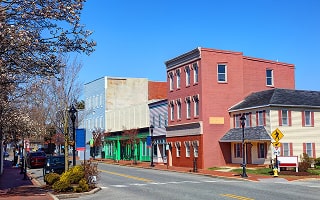
Development-friendly areas in Delaware make building and renovating easier. They typically offer faster permitting, more flexible zoning rules, and supportive local governments. These conditions help developers and homebuilders complete projects more efficiently, reducing delays.
- Town of Middletown: Middletown provides expedited permitting in its Downtown Development District, where it offers incentives for developers.
- City of Milford: Milford's Downtown Development District offers rebates, fee waivers, and other incentives that reduce project costs and make building or business development more affordable.
- Town of Smyrna: Smyrna provides an online Permits and Application portal and incentives in its Downtown Development District to encourage investment and simplify building projects.
- City of Seaford: Seaford offers formal reinvestment and development incentives to encourage private investment.
- Town of Georgetown: The town has a Downtown Development District incentive for qualifying projects. It also offers faster review options to speed up approvals.
Moderately Regulated Areas
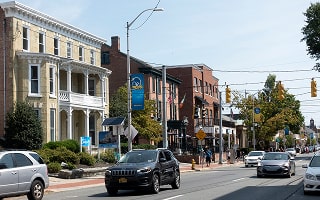
Moderately regulated areas in Delaware have some rules that guide development, renovation, and property use, but tend to be less strict than heavily regulated zones. Developers and homeowners may face extra steps, such as conditional approvals or additional permits, especially for larger projects, though rules tend to be clear and timelines more manageable. In Delaware, moderately regulated areas include:
- City of Newark: The city of Newark has a clear guide to building permits to make the application process easier for developers. Additionally, it details projects in the city that require a building permit.
- Kent County: The county requires permits for detached accessory structures exceeding 300 square feet. However, it simplifies the process with clear guidance and permitting requirements.
- Hockessin Village (Unincorporated area of New Castle County): Projects within the Hockessin Village design review area may face additional advisory or design reviews beyond county standards, adding extra steps to projects.
- Town of Laurel: Laurel offers Downtown Development District incentives, but projects still follow the normal ordinance and regulatory review process, creating a balance between support and oversight.
Highly Restrictive or Bureaucratic Areas
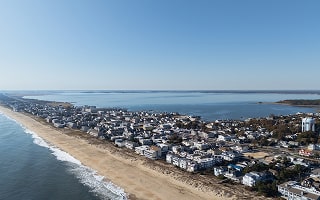
Some areas in Delaware are highly restrictive, making development more difficult. These places usually have strong community resistance to new projects, complex regulations, and long approval processes. Developers may face multiple hearings, historic reviews, or zoning challenges before moving forward. While these steps protect community character and heritage, they may slow growth and increase development costs. In Delaware, these locales include:
- City of Rehoboth Beach: The city has strict rules for rentals, usually requiring residential rental licenses, local lodging and rental taxes, and close regulation of short-term rentals and coastal property use.
- City of Lewes: Lewes has a Historic Preservation Architectural Review Commission that must approve any exterior changes visible from public streets.
- Town of Bethany Beach: Bethany Beach has strict coastal planning rules to protect community character through its Cultural and Historic Affairs Committee.
- Town of Dewey Beach: The town has strict zoning rules and requires yearly residential rental licenses.
- City of New Castle: The city requires Historic Area Commission approval for any exterior work within its historic district.
Regulatory Climate Factors

Delaware's regulatory climate differs widely by location and strongly affects the ease of development, renovation, or flipping. To this end, understanding each county's zoning, permits, and land-use rules is crucial to avoiding delays and maximizing returns. The table below can help investors navigate regulatory factors in Delaware, including their impact on development and where they're commonly found within the state:
Factor |
Impact on Development |
Where It's Found |
|---|---|---|
Zoning Flexibility |
Determines ease of land use |
Middletown, Milford, Dover, Smyrna, Seaford, Georgetown, and designated Downtown Development Districts |
Historic Preservation Laws |
Adds restrictions |
Lewes, New Castle Historic Area, Wilmington, Odessa, and New Castle riverfront neighborhoods |
Wetlands/Conservation |
Limits buildable land |
Sussex County coastal corridors (Rehoboth, Lewes), New Castle County tidal-riverfront parcels |
Affordable Housing Incentives |
Requires affordable units |
Wilmington, Middletown, Milford, Smyrna, Dover, Seaford, and Georgetown |
Building Code Enforcement |
Affects cost/speed |
New Castle County, Wilmington, Kent County, and Sussex County |
Local Politics/NIMBYism* |
Blocks or delays projects |
Lewes, Rehoboth Beach, Bethany Beach, Dewey Beach, Hockessin, and New Castle |
*NIMBYism - Not in My Backyard
What Are the Most Effective Flipping and Resale Strategies for Maximizing Profit in Delaware's Housing Market?

To maximize profit in Delaware, it's important to understand the state's market dynamics. Here are some of the most effective flipping and resale strategies investors can use to succeed in Delaware's housing market.
-
![]()
Target Distressed or Foreclosed Homes: Investors can target pre-foreclosure homeowners by marketing directly to them, attending county auctions, and tracking Real Estate Owned (REO) listings. These properties are usually priced below market value, allowing for significant profit after renovation. This approach is ideal in areas such as Sussex County, where demand for affordable homes is high, and in neighborhoods outside Wilmington, where property values have strong potential for appreciation after rehab.
-
![]()
Use the 70% Rule: To apply the rule, calculate 70% of the After Repair Value (ARV) of the property, then subtract the cost of repairs. To maximize profit, use local comparables and contractor bids, as ARV may change quickly. The 70% rule helps protect your margins, especially in competitive areas, such as Wilmington, Dover, and Rehoboth Beach, where rising demand may push prices higher.
-
![]()
Wholetailing for Speed: Wholesaling for speed is ideal in fast markets, where homes sell quickly and inventory is low. In this flipping strategy, investors focus on light cosmetic upgrades, such as fresh paint, minor landscaping, and simple kitchen or bathroom upgrades, rather than full renovations, to make the property market-ready within a few weeks. This reduces holding costs and gets the home sold faster. Wholetailing for speed is ideal in areas like Newark, Dover outskirts, Middletown, and parts of Sussex County, where demand is high and properties sell fast.
-
![]()
Renovate with Quality, Don't Cut Corners: High-quality renovations are essential for maximizing resale value and appraisal recognition. Buyers generally pay premiums for turnkey homes with durable finishes and energy-efficient features, so cutting corners may reduce profits. Focus on upgrading kitchens and bathrooms with materials like quartz or granite, installing modern HVAC systems, and using double-pane windows for energy efficiency. This strategy is ideal in Wilmington, Middletown, Dover, Rehoboth Beach, and Newark, where buyers prioritize style, efficiency, and durability.
-
![]()
BRRRR Method (Buy, Rehab, Rent, Refinance, Repeat): For this reselling strategy, investors purchase a property, renovate it to increase value, rent it out to generate steady income, then refinance based on the new value to pull out equity. This freed-up capital is used to buy the next property and repeat the process. In Delaware, the BRRRR method works well in rental-friendly markets, such as Dover, Newark, Wilmington, and Middletown, as well as parts of Sussex County, where rental demand is stable and strong, making it easier to maintain occupancy and grow investments.
-
![]()
Value-Add Flipping (beyond cosmetic work): Value-add conversions boost a property's value or rental income by making significant improvements, especially in cities where zoning laws allow. This generally includes adding bedrooms or bathrooms, finishing basements, expanding square footage, converting single-family homes into duplexes, or adding ADUs. These upgrades increase the ARV and rental potential, offering high returns. In Delaware, value-add flippings are profitable in Wilmington's urban code, Middletown, Dover, Newark, and parts of Sussex County, where housing demand is high.
-
![]()
Staging & Strategic Pricing: In Delaware, professional staging and strategic pricing may significantly boost the speed of a home's sale and the final price. Staging makes properties more appealing, helping buyers visualize living there, while pricing slightly below recent comparables may spark bidding wars. This approach generally shortens Days on Market (DOM) and maximizes offers, which is especially valuable in high-demand micro-markets with rising holding costs. Staging and strategic pricing are ideal in Wilmington, Middletown, Dover, Rehoboth Beach, and Newark.


How Should Sellers Price Their Homes to Attract Buyers While Maximizing Value in Delaware?

When selling a home in Delaware, it's best to work with a local real estate agent or appraiser. These professionals can analyze recent market activity, including active listings, pending sales, and homes sold in the past 90 days, to determine the most appropriate pricing. Using these local comps ensures your property is competitively priced, helping attract buyers quickly and potentially maximizing returns.
Here are some of the top pricing strategies Delaware home sellers may utilize to increase online traffic and generate competitive offers:
-
![]() Pricing Just Below Below Market Thresholds: Pricing a home just below key market thresholds, such as $299,900 instead of $300,000, is a strategic way to attract buyers. This slight reduction makes the listing appear in more online searches, increasing visibility and driving more traffic to open houses. It's effective in highly searched price brackets and fast-moving markets, helping homes sell quickly. Pricing just below market thresholds is ideal in cities such as Dover, Middletown, and Rehoboth Beach, where buyers often begin property searches online.
Pricing Just Below Below Market Thresholds: Pricing a home just below key market thresholds, such as $299,900 instead of $300,000, is a strategic way to attract buyers. This slight reduction makes the listing appear in more online searches, increasing visibility and driving more traffic to open houses. It's effective in highly searched price brackets and fast-moving markets, helping homes sell quickly. Pricing just below market thresholds is ideal in cities such as Dover, Middletown, and Rehoboth Beach, where buyers often begin property searches online.
-
![]() Charm Pricing (Psychological Pricing): With charm pricing, sellers list a home with the price ending in 7 or 9, say $389,700 instead of $390,000. This odd-number strategy makes the price appear lower to buyers, even if the difference is small. This approach is effective in suburban and mid-tier markets where buyers filter homes by price ranges during online searches. In Delaware, charm pricing works well in areas such as Camden, Newark, and Lincoln, and in Sussex County towns like Georgetown and Lewes.
Charm Pricing (Psychological Pricing): With charm pricing, sellers list a home with the price ending in 7 or 9, say $389,700 instead of $390,000. This odd-number strategy makes the price appear lower to buyers, even if the difference is small. This approach is effective in suburban and mid-tier markets where buyers filter homes by price ranges during online searches. In Delaware, charm pricing works well in areas such as Camden, Newark, and Lincoln, and in Sussex County towns like Georgetown and Lewes.
-
![]() Pricing to Create a Bidding War: Pricing to create a bidding war involves listing a home just below its full market value, especially in a seller's market or in desirable school districts. This strategy encourages multiple buyers to compete and usually drives up the final sale price. To maximize results, sellers can schedule short showing windows and set a clear offer deadline. In Delaware, this approach is ideal in Newark, Camden, Lewes, Dover, and parts of Sussex and New Castle Counties.
Pricing to Create a Bidding War: Pricing to create a bidding war involves listing a home just below its full market value, especially in a seller's market or in desirable school districts. This strategy encourages multiple buyers to compete and usually drives up the final sale price. To maximize results, sellers can schedule short showing windows and set a clear offer deadline. In Delaware, this approach is ideal in Newark, Camden, Lewes, Dover, and parts of Sussex and New Castle Counties.
-
![]() High-Anchor Pricing (Test the Waters): High-anchor pricing works by listing a home at the top of the expected market range to test buyer interest while leaving room for negotiation. This strategy is ideal in markets where inventory is tight and the home stands out as the top comparable property. High-anchor pricing is effective in competitive areas, such as Lewes, Dover, Camden, Lincoln, and Newark, where demand is high and buyers are actively searching.
High-Anchor Pricing (Test the Waters): High-anchor pricing works by listing a home at the top of the expected market range to test buyer interest while leaving room for negotiation. This strategy is ideal in markets where inventory is tight and the home stands out as the top comparable property. High-anchor pricing is effective in competitive areas, such as Lewes, Dover, Camden, Lincoln, and Newark, where demand is high and buyers are actively searching.
-
![]() Price-Per-Square-Foot Benchmarking: With this pricing strategy, home prices are set based on the cost per square foot, keeping listings consistent with buyer expectations. This approach works particularly well in tract neighborhoods, condo communities, and developments where buyers compare multiple units or homes. Price-per-square-foot benchmarking is ideal in areas like Camden, Lincoln, Lewes, Wilmington, and other Sussex towns with similar housing styles.
Price-Per-Square-Foot Benchmarking: With this pricing strategy, home prices are set based on the cost per square foot, keeping listings consistent with buyer expectations. This approach works particularly well in tract neighborhoods, condo communities, and developments where buyers compare multiple units or homes. Price-per-square-foot benchmarking is ideal in areas like Camden, Lincoln, Lewes, Wilmington, and other Sussex towns with similar housing styles.
-
![]() Appraisal-Backed Pricing: Appraisal-backed pricing focuses on setting your list price close to what the property is likely to appraise for, based on recent comparable sales. This approach is helpful for sellers who want to attract FHA or VA buyers, who often have less flexibility to cover appraisal gaps. This pricing strategy reduces the risk of financing falling through, ultimately helping deals close more smoothly. Appraisal-backed pricing is ideal in markets where there are many first-time or government-backed-loan buyers, such as Dover, Georgetown, and parts of New Castle County.
Appraisal-Backed Pricing: Appraisal-backed pricing focuses on setting your list price close to what the property is likely to appraise for, based on recent comparable sales. This approach is helpful for sellers who want to attract FHA or VA buyers, who often have less flexibility to cover appraisal gaps. This pricing strategy reduces the risk of financing falling through, ultimately helping deals close more smoothly. Appraisal-backed pricing is ideal in markets where there are many first-time or government-backed-loan buyers, such as Dover, Georgetown, and parts of New Castle County.
-
![]() Net-to-Seller Pricing: In this pricing method, sellers begin by determining how much they intend to walk away with after the sale, then work backward to account for costs, such as agent commissions, taxes, repairs, and closing fees. This method ensures the list price is realistic while meeting the seller's financial goals. Net-to-seller pricing works in markets such as Milford, Camden, Seaford, Georgetown, Newark, and towns across Sussex County, where sellers may have specific net proceeds targets and need a straightforward pricing approach to achieve them.
Net-to-Seller Pricing: In this pricing method, sellers begin by determining how much they intend to walk away with after the sale, then work backward to account for costs, such as agent commissions, taxes, repairs, and closing fees. This method ensures the list price is realistic while meeting the seller's financial goals. Net-to-seller pricing works in markets such as Milford, Camden, Seaford, Georgetown, Newark, and towns across Sussex County, where sellers may have specific net proceeds targets and need a straightforward pricing approach to achieve them.
-
![]() Urgency Pricing (Motivated Seller Strategy): Urgency pricing involves setting a home's list price significantly below market value to encourage quick offers, prioritizing speed over the highest possible price. It's often used for pre-foreclosure situations, probate sales, and unexpected relocations where the seller needs to close fast. This approach works well in active Delaware markets, including Wilmington, Rehoboth Beach, Lewes, Seaford, Georgetown, and other high-demand areas in Sussex County. By creating a sense of urgency, sellers attract multiple buyers quickly, reducing time on the market and ensuring a faster closing.
Urgency Pricing (Motivated Seller Strategy): Urgency pricing involves setting a home's list price significantly below market value to encourage quick offers, prioritizing speed over the highest possible price. It's often used for pre-foreclosure situations, probate sales, and unexpected relocations where the seller needs to close fast. This approach works well in active Delaware markets, including Wilmington, Rehoboth Beach, Lewes, Seaford, Georgetown, and other high-demand areas in Sussex County. By creating a sense of urgency, sellers attract multiple buyers quickly, reducing time on the market and ensuring a faster closing.


Delaware sellers should choose a pricing strategy that fits their specific property and current local market conditions. The right approach can help boost showings, reduce days on the market, and potentially secure the highest possible net profit. The table below is a quick guide to help sellers align market conditions with the optimal pricing strategy for their property's locale:
Market Condition |
Best Strategy |
|---|---|
Seller's Market |
Underpricing for a bidding war |
Buyer's Market |
Charm pricing or net-to-seller |
Unique, luxury home |
High-anchor + value justification |
Entry-level home |
Just below threshold |
Urgent sale needed |
Aggressive urgency pricing |
Flipper or investor listing |
Appraisal-backed or price-per-square-foot |
Which Key Economic, Social, and Regulatory Factors Are Driving Current Trends in Delaware's Local Property Markets?

Delaware's property market is shaped by various economic, social and legal frameworks, fiscal and housing policy, infrastructure development, and investor behavior. The following factors play a major role in influencing the performance of the housing market, including supply, demand, and prices.
![]() Economic Factors
Economic Factors
 Economic Factors
The Delaware housing market is driven by steady job and income trends, rising home values, and limited supply. The state's median home price has climbed into the high $300,000 range, with homes selling faster than in most other markets around the country.
Unemployment rates in Delaware hovered between 3.6% and 4.3% in 2025. While these rates mostly reflect the national average, active hiring in the healthcare, finance, and government sectors continues to support strong housing demand in hubs like Wilmington and Dover.
Delaware ranked as the 21st most affordable state, with residents requiring about 5.6 years of the median income (about $81,000) to cover the median-priced home, supporting purchasing power for many buyers. Additionally, construction activity has increased but continues to fall short of demand, with most of the state's recent construction permits channeled at single-family homes. This trend is visible in fast-growing suburbs around Dover, Newark, and Wilmington, as well as towns within Sussex County, such as Lewes, Rehoboth Beach, and Georgetown, where buyer demand continues to outpace new supply.
![]() Demographic and Social Factors
Demographic and Social Factors
 Demographic and Social Factors
Delaware's population recently topped 1 million and continues to grow. The state attracts commuters to the Philadelphia-D.C. corridor, retirees seeking coastal living, second-home buyers in coastal towns like Lewes and Rehoboth Beach, and university students drawn to educational institutions in Newark and Wilmington. Additionally, immigrants make up about 11%of Delaware's population. These factors drive growth in job centers, demand for rental homes, and an increased need for property development. With a median age of 42 years, buyers include families seeking single-family homes in fast-growing suburbs like Middletown, remote workers in Newark, and retirees on the coast.
![]() Regulatory and Legal Framework
Regulatory and Legal Framework
 Regulatory and Legal Framework
In Delaware, zoning and land-use rules are controlled at the county and city level, shaping what may be built and where. New Castle, Kent, and Sussex counties each have unique codes, with places like Wilmington, Dover, and Rehoboth Beach applying their rules on density, ADUs, and conversions. There is no statewide rent control scheme; landlord-tenant law is codified at the state level, which sets eviction timelines and habitability rules, which matter for investors in high-demand markets.
![]() Taxation and Fiscal Policy
Taxation and Fiscal Policy
 Taxation and Fiscal Policy
With no sales tax and some of the nation's lowest property taxes (about 0.53%), Delaware's affordability is attractive for investors. This draws buyers to places such as Newark and Dover, as well as coastal towns like Lewes and Rehoboth Beach, where carrying costs are lower than in neighboring states. The state's low tax burden helps improve rental yields in high-growth areas like Middletown, Smyrna, and Georgetown.
Delaware has a graduated income tax, between 0% and 6.60%. High-income earners tend to be more selective about where to buy property, and may favor areas with access to a stronger local job market, such as Middletown and Newark. At the same time, tax credits and deductions tied to property investment or rehabilitation may influence urban revitalization projects in places such as Dover and Wilmington.
![]() Housing Policy and Government Programs
Housing Policy and Government Programs
 Housing Policy and Government Programs
Delaware's 2025 to 2029 Consolidated Plan aims to channel $12.6 million in Housing and Urban Development (HUD) funds to boost affordable housing and stabilize vulnerable households, directly shaping the property market. By financing new rental units and preserving older homes in places like Wilmington, Dover, and Newark, the plan helps low-income renters and reduces pressure on market-rate housing.
Programs for homeowners' rehabilitation and foreclosure prevention support stability in suburbs like Middletown and Smyrna. Additionally, homelessness prevention and supportive housing services benefit rural towns like Georgetown, Seaford, and Milford, improving neighborhood conditions and strengthening long-term property values statewide.
![]() Infrastructure and Development Trends
Infrastructure and Development Trends
 Infrastructure and Development Trends
Infrastructure upgrades and development shape Delaware's property market by making key areas more accessible and attractive. The I-95 Corridor expansion boosts values in New Castle County cities, such as Newark and Wilmington. Likewise, the Route 1 project enhances connectivity to Millsboro, Ellendale, Georgetown, Lewes, and Rehoboth.
The Riverfront redevelopment in Wilmington may raise demand for urban condos and rentals, while Sussex County's wastewater improvements aim to unlock land for housing in fast-growing towns like Millsboro, Georgetown, and Seaford.
![]() Market Sentiment and Investor Behavior
Market Sentiment and Investor Behavior
 Market Sentiment and Investor Behavior
Market sentiment in Delaware shows a mix of strong demand and shifting buyer leverage. Roughly 28% of homes sold above the asking price in October 2025, a decrease of 7.5 percentage points year over year. This shift, though small, is creating more room for negotiation, especially in higher-priced areas of the state.
Newark and Dover continue to attract investors using BRRRR strategies, supported by solid rental yields and student or workforce housing demand. Wilmington's urban core sees rising interest in value-add projects, such as ADUs and duplex conversions, which boost long-term returns. Meanwhile, beach towns like Rehoboth and Lewes hold steady demand from retirees and second-home buyers, balancing statewide momentum.
Delaware's housing market is characterized by tight inventory, steady demand, and faster-than-average sales across diverse micro-markets. Coastal towns attract short-term rental investors and second-home buyers, while Wilmington and university areas fuel urban and rental demand. Low property taxes and targeted development incentives support long-term investment, but high foreclosure activity and localized regulatory hurdles create potential risks. Successful sellers, flippers, and developers match their properties and strategies to neighborhood needs, prioritize quality renovations, and take a proactive approach to navigating permitting and historic-district rules. Overall, knowledge of the local market, local zoning laws, and the right pricing strategies can help ensure properties sell quickly in Delaware.
Table of Contents
- Delaware Home Selling
- Which Areas in Delaware Offer the Best Return on Investment and Are Easiest for Residential Property Development?
- What Home Styles, Sizes, and Features Tend to Sell Fastest in the Delaware Market?
- What Should Home Sellers Know About Zoning Laws, Permits, and Regulatory Requirements in Delaware?
- Which Towns or Cities in Delaware Are Easiest, and Hardest, When It Comes to Navigating Real Estate Regulations?
- What Are the Most Effective Flipping and Resale Strategies for Maximizing Profit in Delaware's Housing Market?
- How Should Sellers Price Their Homes to Attract Buyers While Maximizing Value in Delaware?
- Which Key Economic, Social, and Regulatory Factors Are Driving Current Trends in Delaware's Local Property Markets?